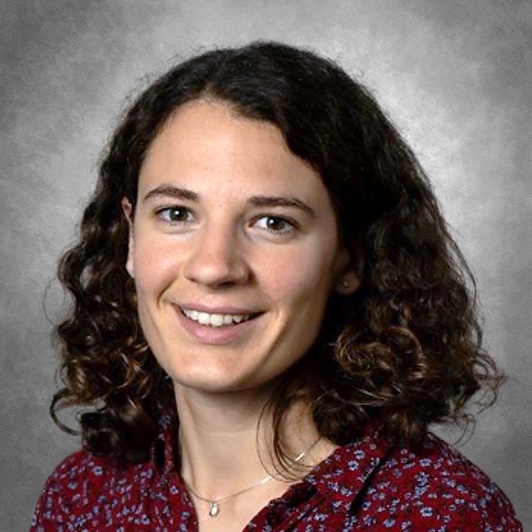
Co-founder
Barbara Stickel
Energy Systems, Optimization & Applied AI
Space for Barbara’s background, perspective, and current work.
LinkedIn ↗Exploring the energy transition
Energy powers our world. But as demand grows and we transition toward cleaner energy, the systems we rely on are becoming increasingly complex.
We need to rethink how we plan, build, and operate our energy infrastructure—and new technologies are opening up possibilities that didn’t exist before.
At Gantry Applied, we’re exploring how energy expertise and AI can come together to tackle some of these challenges.
Barbara Stickel Energy Systems, Optimization & Applied AI
Adrien Descamps AI Engineering & Software Development
The challenges we’re exploring
Choose a challenge to explore ↘
Barbara Stickel Energy Systems, Optimization & Applied AI
Adrien Descamps AI Engineering & Software Development
As electric mobility grows, charging networks need to expand. But designing infrastructure for peak travel periods can leave expensive assets underused the rest of the year.
Imagine a highway charging station on the busiest evening of the summer. Drivers are waiting, chargers are operating at capacity, and the local grid connection may be approaching its limit.
A few days later, much of that infrastructure could be sitting idle.
How do we make charging reliable and convenient without overbuilding expensive infrastructure everywhere?
The bigger question: Can we build charging networks that are both ready for peak demand and economically efficient year-round?
New renewable projects, batteries, industrial facilities, and data centers all need access to the grid. But limited capacity and complex connection processes can delay projects for years.
Connecting a new project isn’t simply a matter of extending a cable.
Grid operators need to understand how new generation and demand will affect existing infrastructure, evaluate technical constraints, and plan investments that may take years to complete.
Developers, meanwhile, need to make major decisions about locations, designs, and investments without always having a clear picture of grid constraints.
How can we make these decisions faster, more transparent, and better informed?
The bigger question: Can better information and smarter project design unlock capacity that would otherwise remain inaccessible?
Buildings represent an enormous opportunity for energy savings and flexibility. Yet every building is different, and identifying improvements is only the beginning. Delivering and verifying those savings is another challenge.
We already have many of the technologies needed to make buildings more efficient.
The difficulty often lies in understanding what each building actually needs.
Energy data, equipment information, drawings, utility bills, and operating conditions are scattered across different systems and documents.
Engineers spend significant time gathering information and analyzing opportunities. Even after improvements are implemented, measuring whether they deliver the expected results isn’t always straightforward.
How do we scale this expertise without compromising the quality of the recommendations?
The bigger question: Can we fundamentally rethink how energy expertise is delivered, making high-quality analysis more accessible and scalable?
AI and digital infrastructure are driving enormous demand for computing capacity—and electricity. Data centers are becoming an increasingly important part of the energy system, creating challenges but potentially new opportunities.
Data centers require large amounts of reliable power, often concentrated in locations where grid capacity is already constrained.
Their demand can be difficult to accommodate quickly, while new generation and transmission infrastructure may take years to develop.
But data centers also represent large, sophisticated energy consumers with opportunities to invest in power infrastructure, storage, and innovative energy solutions.
Rather than looking at them only as additional demand, could we rethink how they interact with the electricity system?
The bigger question: Can we develop data centers in ways that support, rather than simply burden, the electricity system?
We’re bringing together experience in energy systems, software development, and AI engineering.
Co-founder
Energy Systems, Optimization & Applied AI
Space for Barbara’s background, perspective, and current work.
LinkedIn ↗
Co-founder
AI Engineering & Software Development
Space for Adrien’s background, perspective, and current work.
LinkedIn ↗Start a conversation
We’re at the beginning of this journey, and we’re looking to connect with people who are working on these challenges firsthand.
Whether you’re developing energy projects, building new technologies, or facing problems that existing tools don’t solve, we’d love to exchange ideas.
Have a problem worth solving? Let’s talk.